Build a custom table tennis bat from any Loki blade and two rubbers. Our free bat assembly service glues them by hand with VOC-free glue and fits edge tape, so your bat arrives ready to play.
A custom table tennis bat is a precise three-part system: your core blade, your forehand rubber, and your backhand rubber — configured with your preferred handle shape and sponge thickness. Whether you configure every component yourself or start from a proven combination below, Loki UK provides free professional hand assembly with tournament-compliant VOC-free glue and edge tape.
Build Your Bat in 3 Steps
Select your blade, forehand rubber, and backhand rubber from our live catalogue. Filter by carbon type, rubber hardness, handle shape and sponge thickness with real-time pricing and one-click basket addition.
Open Racket Configurator →Find Setup by Playing Level
Not sure which rubbers match your blade? Explore expertly matched setups for Beginners, Intermediate Loopers, Advanced Attackers, Blockers and Choppers.
Browse Setups by Level →Featured Custom Bat Combinations
These setups pair a real blade with two real rubbers from the live catalogue — every price below is read live, so it always matches what you’d pay at checkout.
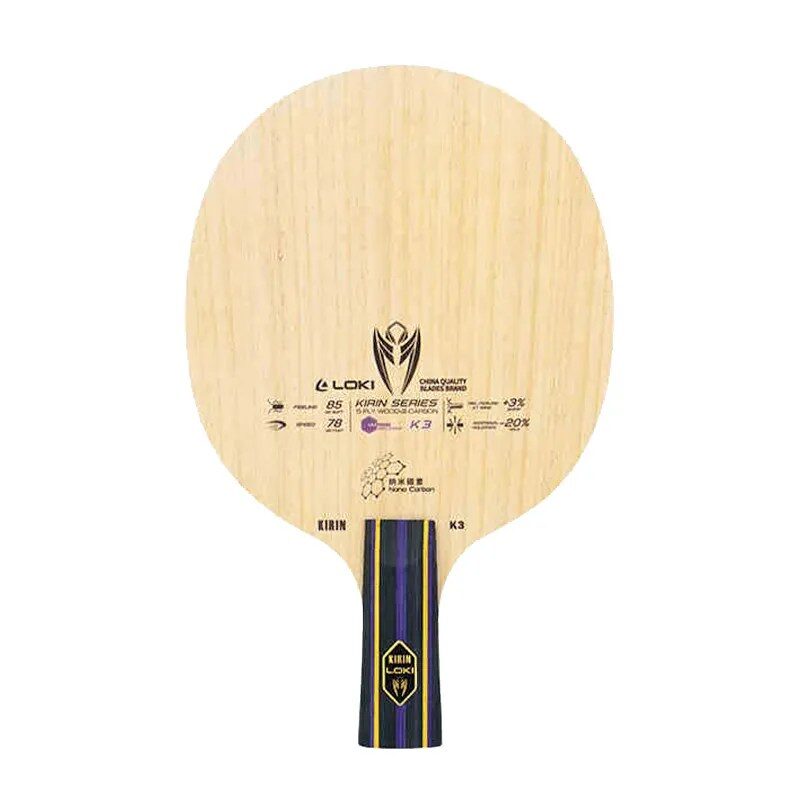
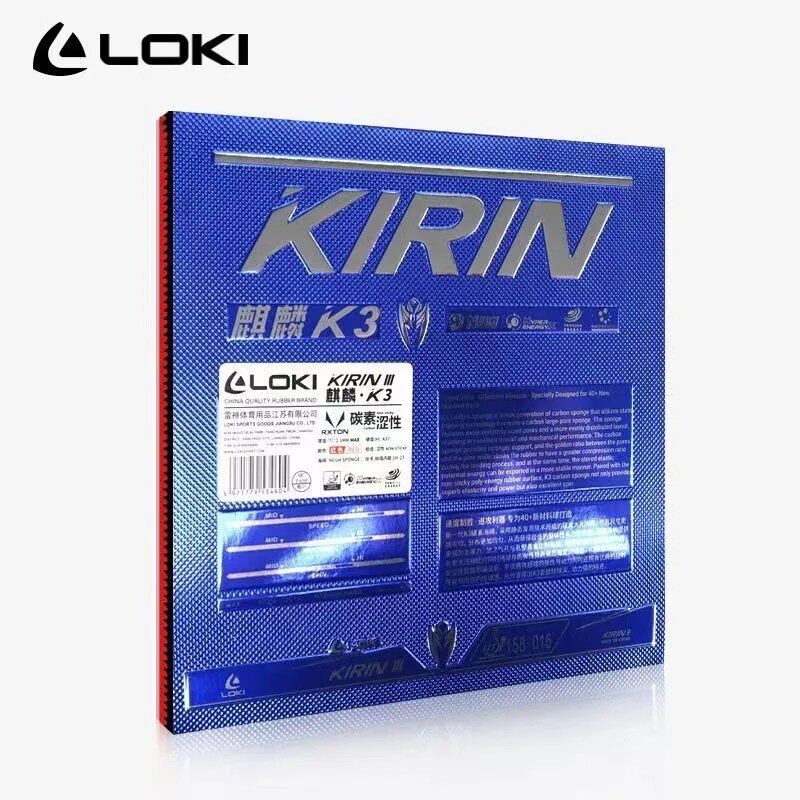
The League Allrounder
A 5-ply-plus-fibre setup delivering forgiving touch and stroke development, with a matched all-round tensor rubber on both wings rather than uncontrollable trampoline bounce.
The Dynamic Spin Attacker
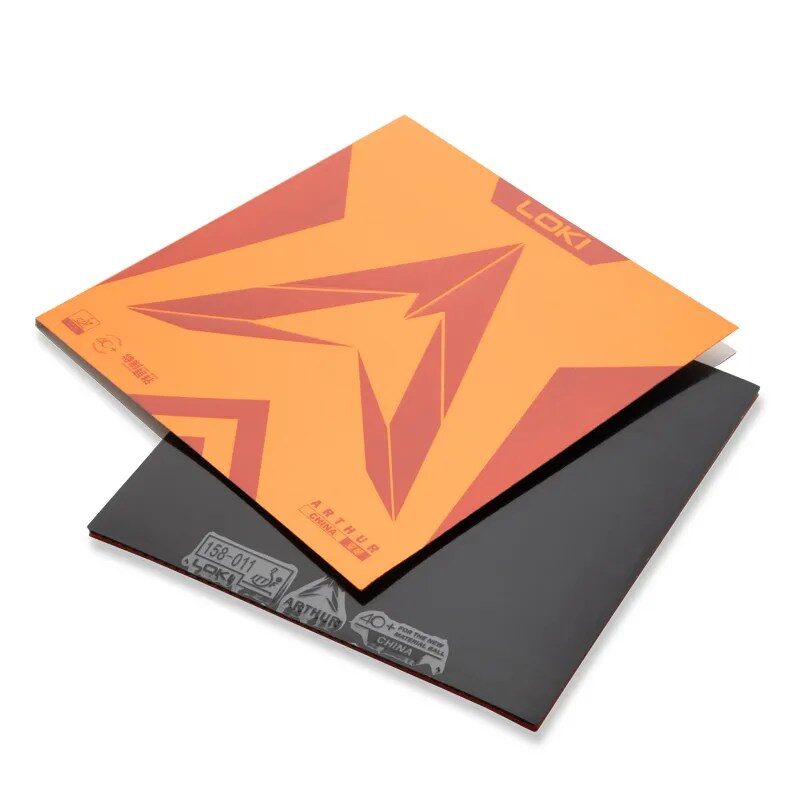
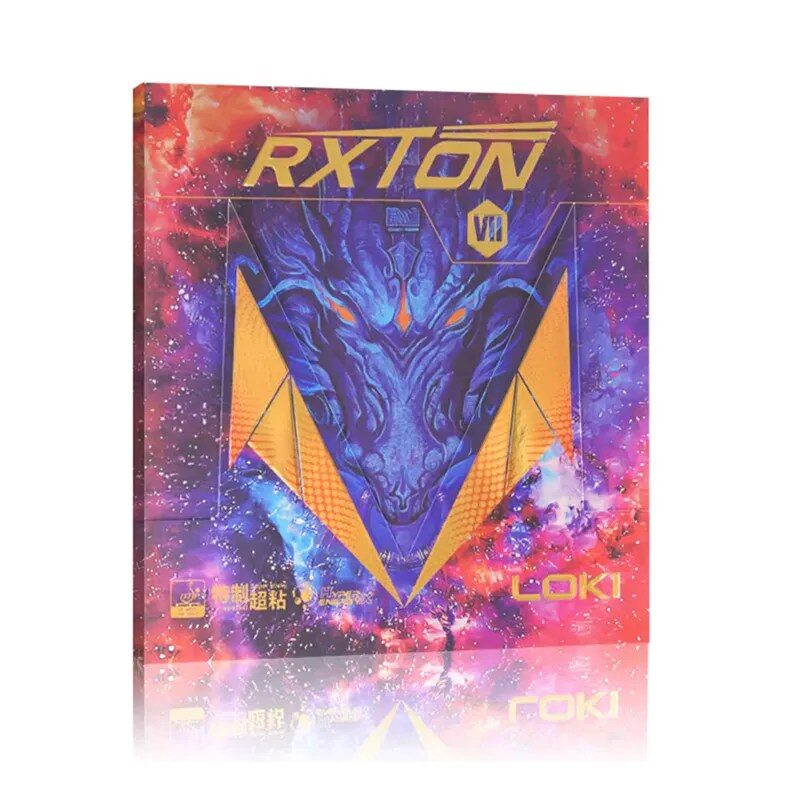
Outer-fibre blade speed paired with a sticky Chinese forehand for heavy brush loops and a second tacky sheet on the backhand for aggressive two-wing attacking.

The Close-Table Counter & Blocker
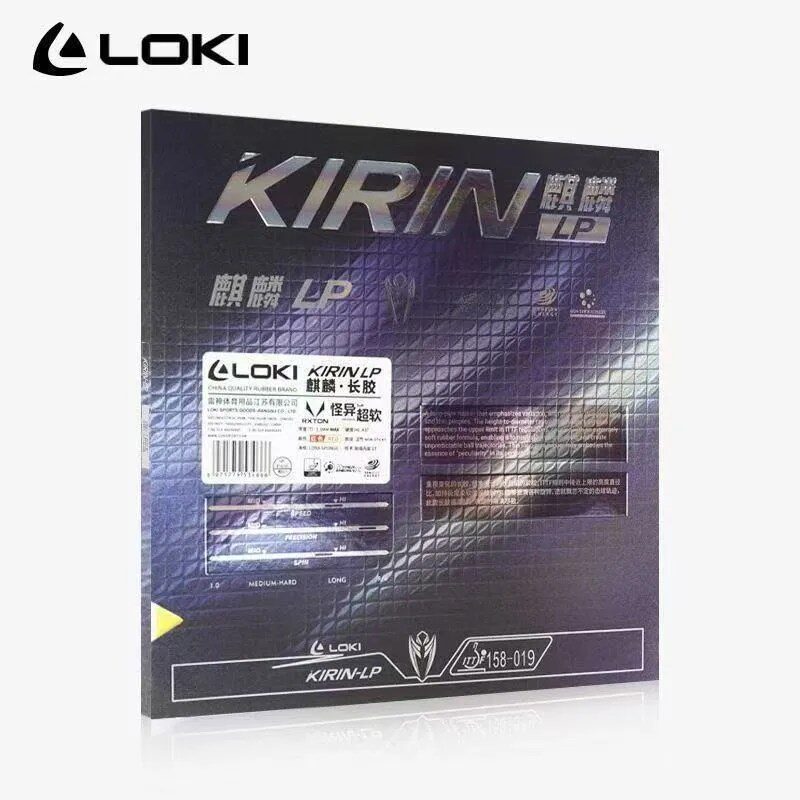
The same stiff outer-fibre blade and sticky forehand attack, paired with long pips on the backhand for spin reversal, knuckleballs and defensive disruption close to the table.
The Tour Elite Carbon Setup
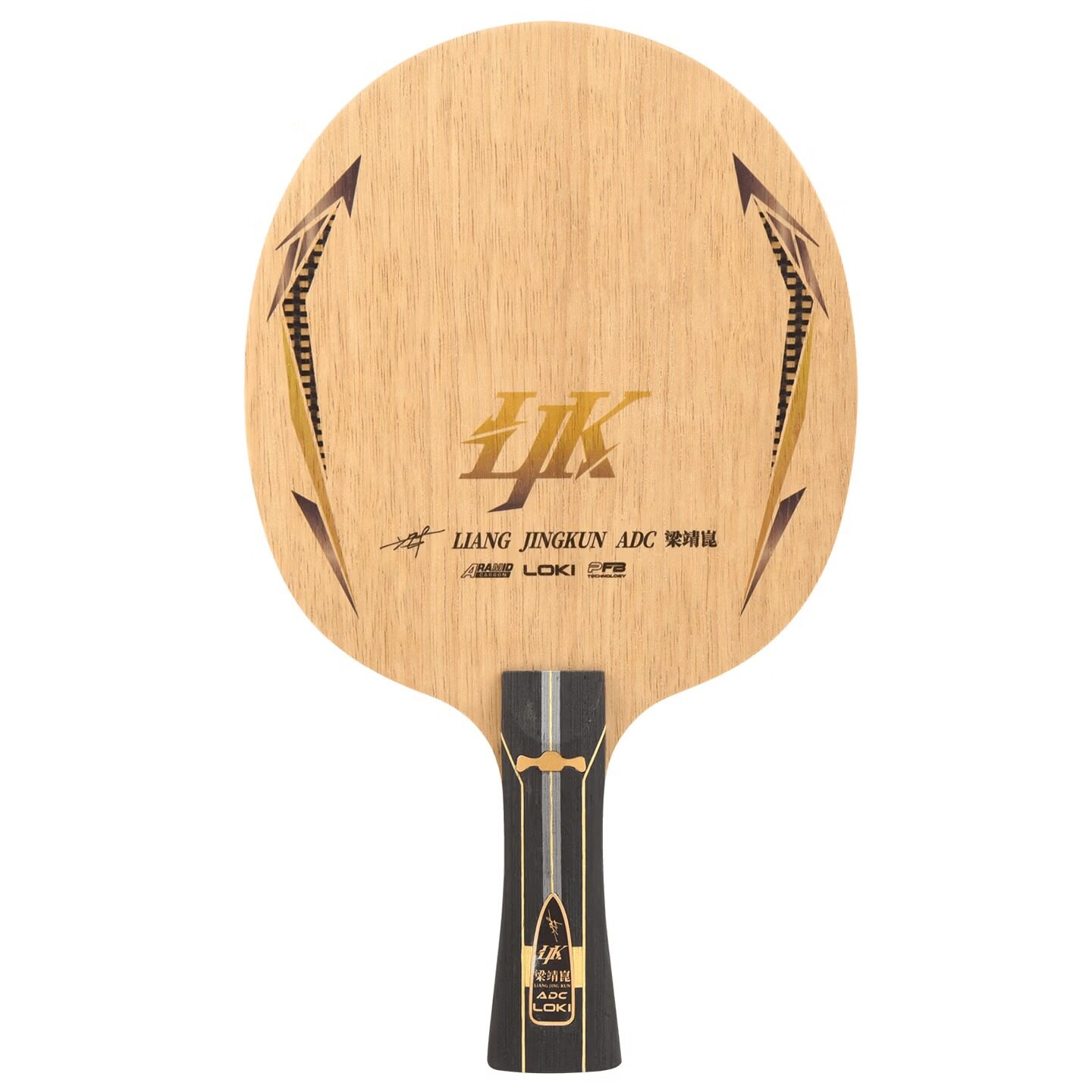
Liang Jingkun’s own inner Aramid Carbon blade paired with the top-tier Rxton 9 Pro Athlete Version forehand for county, national and league players demanding maximum power with genuine dwell.

The Modern Chopper
A soft, control-first blade with a sticky forehand for occasional counter-attacks and genuine long pips on the backhand for heavy backspin variation — a real modern defensive weapon.
How a custom bat goes together: the 4 decisions
Building a custom bat gives you full control over how the racket responds to your stroke. Here’s how each element shapes the finished feel.
The core foundation
The blade sets the foundational vibration, stiffness and dwell. All-wood blades flex more for direct ball feedback; inner carbon or fibre blades keep that wood dwell on touch shots while adding gear on full swings; outer carbon or fibre blades give crisp, direct acceleration.
Blade Guide →The attacking wing
Most attackers use their forehand for heavy spin generation. Tacky Chinese-style topsheets (Arthur China, Rxton 7, Rxton 9) grip the ball to create severe arc and dip. Players wanting effortless catapult often choose a tensor sheet instead.
Tacky vs Tensor →Control, block or disruption
Backhand strokes have a shorter kinetic chain, so players often pick a controllable tacky or tensor sheet for blocking and punch drives, or specialised long pips (Kirin LP) to reverse incoming topspin entirely.
Explore Rubbers →Grip & sponge thickness
Flared (FL) handles resist slipping during full swings; Straight (ST) handles allow easy finger repositioning. Sponge thickness balances speed and touch: thinner sponges favour control, 2.1mm/Max unlocks top velocity.
Bat Setup Guide →Custom table tennis bat vs pre-assembled bat
| Feature | Custom bat (Loki) | Pre-assembled complete bat |
|---|---|---|
| Customisation | Matched to your own forehand, backhand and blade preferences | Fixed factory combination (usually identical rubber on both sides) |
| Rubber replacement | Sheets peel off cleanly; replace worn rubbers without buying a new blade | Glued with permanent adhesive; sheets typically can’t be replaced |
| Blade longevity | Higher-grade wood and composite plies built to last multiple seasons | Entry-level wood chassis usually replaced whole when rubber wears out |
| Sponge & rubber quality | ITTF-approved competition sponge across the range | Recreational rubber tuned for basic durability over performance |
| Handle ergonomics | Choice of Flared (FL), Straight (ST) or Penhold (CS) | Usually Flared only |
| Long-term value | Cost-effective per season: replace only the worn sheets, not the whole racket | Higher lifetime cost if replacing the whole racket each season |
| Assembly | Free professional assembly included by Loki UK | Pre-fitted at the factory in sealed packaging |
Common questions
Will Loki UK assemble my custom bat for free?
Yes. Whenever you buy any Loki blade with a forehand and backhand rubber in the same order, our UK team professionally assembles your bat free of charge — Table Tennis England and ITTF-compliant water-based VOC-free glue, a precision cut to the exact blade profile, and protective Loki edge tape before dispatch. Your bat arrives ready for play.
Do you offer a table tennis bat make-up service?
Yes. Bat make-up is the traditional name in UK clubs for fitting rubbers to a blade, and it is the same free assembly service described on this page. Buy a Loki blade with a forehand and a backhand rubber in the same order and we make up the bat for you with water-based, VOC-free glue, a precision cut to the blade’s shape and protective edge tape, so it arrives ready to play.
Are custom Loki table tennis bats tournament legal in the UK?
Yes. Every Loki rubber holds ITTF approval on the List of Authorised Racket Coverings, and every Loki blade meets the ITTF construction rule requiring at least 85% natural wood by thickness — both fully compliant for Table Tennis England local leagues, British League and sanctioned tournament competitions.
How long do rubbers last before needing replacement?
Under regular club play (roughly 4–6 hours a week), competition rubbers typically hold peak grip and elasticity for 60–90 playing hours. Once the topsheet loses traction or a smooth wear patch appears in the sweet spot, peel off the worn sheet and glue on a replacement — your blade stays intact.
What’s the difference between Flared (FL) and Straight (ST) handles?
A Flared (FL) handle widens toward the base for a secure, anchored grip that resists slipping during fast forehand loops. A Straight (ST) handle keeps uniform thickness, making it easier to shift your grip between forehand and backhand, which many blockers and defensive choppers prefer.
Can I replace the rubbers later without damaging the blade?
Yes. Because assembly uses water-based VOC-free glue, rubbers peel away cleanly when you’re ready to change them, leaving the wood surface clean and ready for a fresh sheet.
Do I need to already know exactly what I want?
No. Build one yourself in the Racket Configurator, filtering by carbon type, rubber hardness, handle shape and sponge thickness, or start from one of the curated setups above or in Shop by Level if you’d rather begin from a proven combination for your playing level.
Ready to build your custom bat?
Configure your blade, rubbers, handle and sponge thickness with live UK pricing and free professional assembly.